
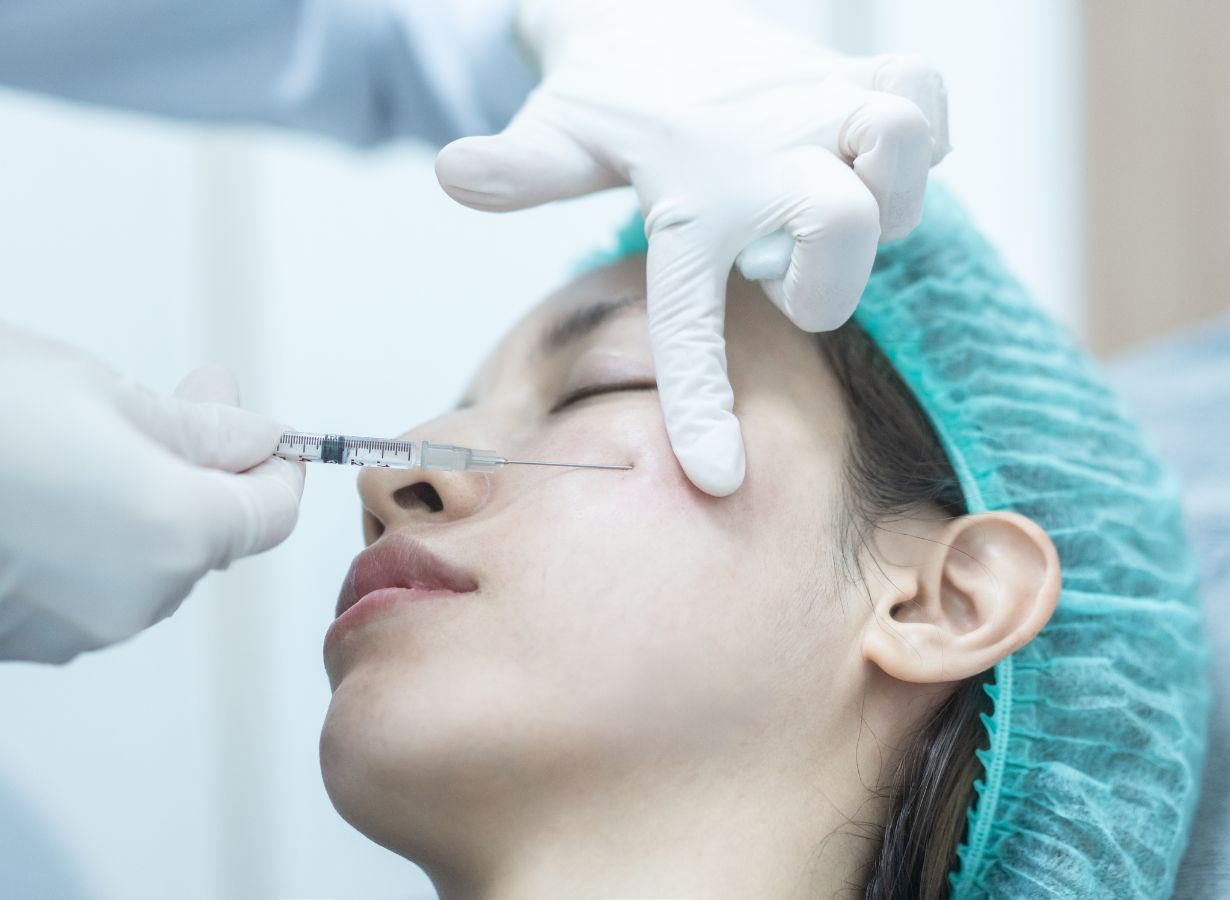
nder-eye filler is a popular option for people who want to soften hollow tear troughs, reduce the look of dark shadows, and create a more rested appearance without surgery. The thin, delicate skin under the eyes often shows changes from genetics, aging, allergies, and lifestyle before other parts of the face do. That is why even small improvements in this area can make such a big difference in how awake and refreshed you look.
Recovery after under-eye filler is usually straightforward, but it is very normal to feel unsure about what to expect. Many patients wonder how they will look right after treatment, how long swelling or bruising might last, and when they can return to work, social activities, or wearing makeup. Having a clear idea of the recovery process helps you feel more prepared and less anxious.
Every person heals in a unique way, and your injector will always be your primary guide. Still, there are common patterns that many patients experience in the hours, days, and weeks after under-eye filler. Learning about these patterns can give you a realistic picture of recovery and help you plan your schedule around your treatment.
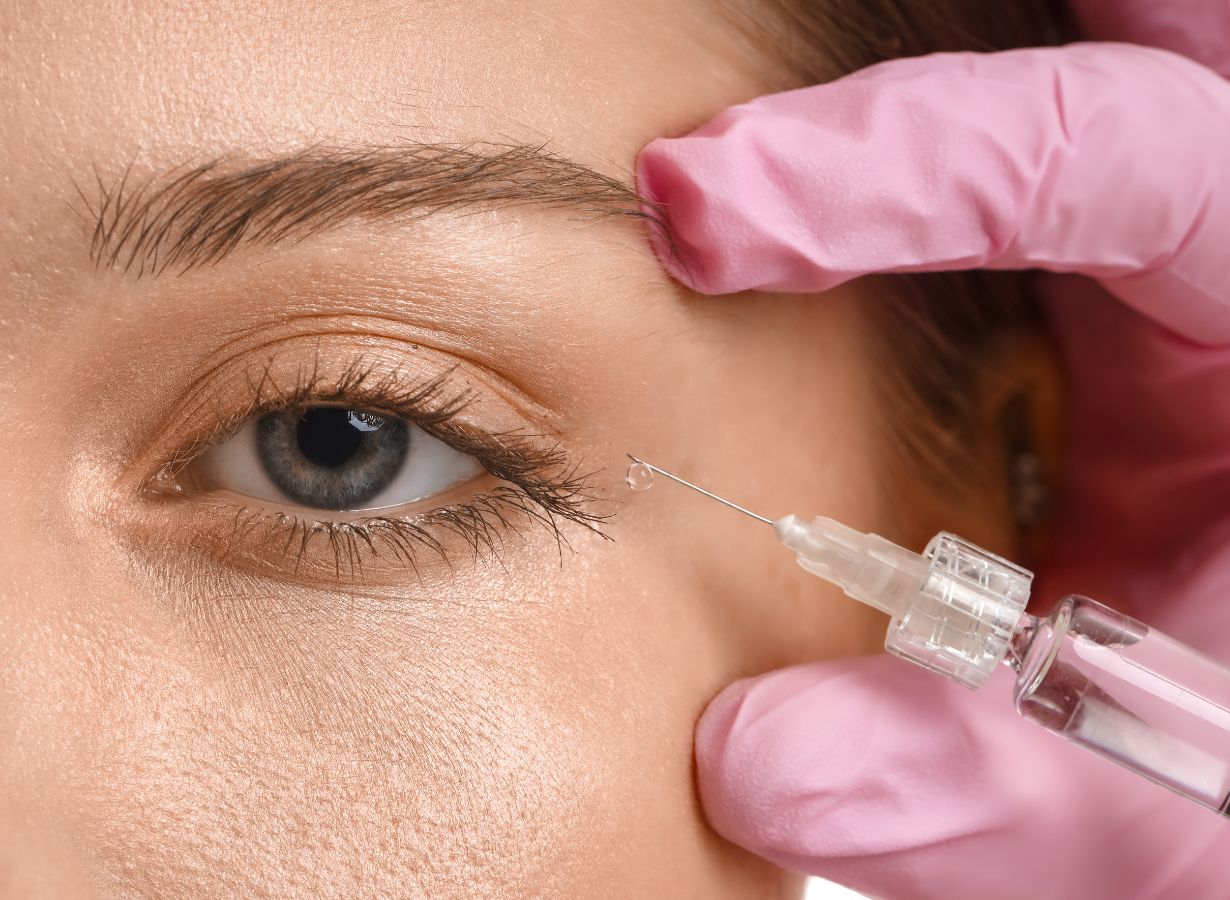
What To Expect Immediately After Under Eye Filler
Right after your under-eye filler appointment, you will usually see some immediate changes, along with early signs of your body’s natural response to treatment. The under-eye region has a rich blood supply and thin skin, so even gentle injections can lead to short-term swelling and color changes.
Normal Immediate Reactions
In the first minutes and hours after treatment, it is common to notice:
- Mild swelling: The under-eye area may look puffier or fuller than you expected. This is a combination of the filler and normal tissue response.
- Redness at entry points: Tiny red spots where the needle or cannula went in are common and usually fade within a few hours.
- Light tenderness: The area can feel sensitive or sore, similar to a small bruise.
- Temporary unevenness: Because of swelling and fluid shifts, the skin may look slightly uneven or lumpy at first.
Most patients can leave the office, put on sunglasses if they wish, and go back to simple daily tasks. As long as you are comfortable with a small amount of visible swelling, there is rarely a need for complete isolation or bed rest.
Signs That Are Not Typical Right Away
Certain symptoms right after treatment are less common and should be taken seriously. You should contact your injector immediately if you experience:
- Severe or increasing pain that does not improve with time.
- Any change in vision, including blurriness, dimming, or loss of vision.
- Skin that becomes very pale, blotchy, or dark in a pattern that does not resemble normal bruising.
- Sudden, intense swelling that expands quickly and is accompanied by strong discomfort.
These signs are not part of the usual recovery and need prompt medical evaluation.
The First Twenty Four Hours After Treatment
The first day after under-eye filler is often when swelling and early bruising are most noticeable. Planning your schedule so that this day is quieter can make recovery more comfortable and less stressful.
How You Might Look And Feel On Day One
During the first twenty four hours, you may see:
- Peak swelling: Puffiness often increases before it begins to improve. One side may look more swollen than the other, which can still be within normal limits.
- Bruising beginning to form: Small bruises may appear under the eyes or near injection sites. Some patients bruise very little, while others bruise more easily.
- Tight or full sensation: The under-eye region may feel firm or tight because the skin is thin and sensitive to volume changes.
This is also the time when people are most likely to question how the final result will look. It helps to remember that you are still in the earliest stage of healing and that the area is not yet settled.
Common Self-Care Suggestions For The First Day
Your provider will give you specific instructions tailored to your situation. General recommendations often include:
- Keeping your head slightly elevated: Propping yourself up on an extra pillow when you rest can help reduce swelling.
- Avoiding rubbing or pressing: Try not to touch or massage the under-eye area unless your injector has clearly asked you to do so.
- Using cool compresses if approved: Gentle cool packs can soothe discomfort and help with swelling, as long as you follow your injector’s advice about how and when to use them.
- Staying hydrated: Drinking water and avoiding very salty foods may help limit water retention and puffiness.
If you have any doubts about what you are seeing or feeling, reaching out to your injector’s office for reassurance is always appropriate.
Recovery During The First Week
Most of the visible healing from under-eye filler happens during the first week. Each day brings small changes as swelling and bruising resolve and the filler begins to integrate with your tissues.
Days Two And Three
On the second and third days after treatment, many patients notice:
- Shifting or decreasing swelling: Puffiness may move slightly and then start to settle down. Mornings can look more swollen than evenings.
- Bruises changing color: Bruises often look purple or blue at first and then shift toward green or yellow as they heal.
- Smoother texture: As fluid disperses and inflammation calms, the under-eye surface often appears more even.
At this point, you may feel more comfortable being seen in public, especially if your injector has cleared you to use a light concealer. Many people schedule under-eye filler midweek so that by the weekend, the most noticeable swelling has improved.
Days Four Through Seven
By the end of the first week, the under-eye area usually looks much closer to the final result:
- Most swelling has resolved for many patients, though slight fullness can linger, especially early in the day.
- Bruising is fading and often covers well with makeup if your provider says it is safe to wear.
- The tear troughs look smoother, and the hollow or shadow that bothered you previously is usually less noticeable.
During this phase, you can begin to appreciate how the filler has softened tired or hollow under-eyes, even though the area may continue to refine over the next several weeks.
When You See Your Final Results
Under-eye filler results develop over time. Although you see an immediate change, the most accurate picture of your outcome appears after swelling has fully resolved and the filler has settled.
Typical Settling Timeline
In many cases:
- You will see a strong preview of your result by the end of the first week.
- The under-eye area can continue to fine-tune over the next one to three weeks as the filler integrates and residual swelling disappears.
Because of this timeline, it is best not to judge your result too early. Evaluating your under-eye filler on day one or two can lead to unnecessary worry. Waiting several weeks provides a clearer, more accurate view.
The Role Of Follow-Up Visits
A follow-up appointment is a valuable part of the recovery process. Many injectors recommend a check-in about two to four weeks after treatment. At this visit, your provider can:
- Compare before and after photos with you in consistent lighting.
- Check for symmetry and smoothness from different angles.
- Discuss how you feel about the change and whether it matches your goals.
- Suggest minor adjustments if needed, such as a small touch of additional filler or gentle fine-tuning.
This gradual, careful approach helps ensure a natural look that avoids overfilling and supports long-term satisfaction.
Activity, Makeup, And Skincare After Under Eye Filler
Under-eye filler recovery does not usually require you to put your life on hold, but the area is sensitive, so some short-term changes in your routine can help protect your result.
Exercise And Daily Routine
Your injector may suggest:
- Limiting intense workouts for the first day or two, since heavy exertion can increase blood flow and swelling.
- Avoiding hot environments such as saunas, steam rooms, and very hot yoga for a brief period.
- Continuing light activity such as walking and normal daily tasks as you feel comfortable.
Many people return to office work or remote work quickly, especially if they are not bothered by a small amount of visible bruising or puffiness.
Makeup, Sunglasses, and Sleep Position
In the first days after treatment, your injector may recommend:
- Holding off on eye makeup for a short time to reduce the risk of irritation or infection. Once makeup is allowed again, clean tools and gentle removal are important.
- Wearing sunglasses outdoors if you wish to conceal swelling or bruising, and to protect the delicate under-eye skin from sun exposure.
- Sleeping on your back with your head slightly elevated to help reduce fluid pooling under the eyes overnight.
You should also avoid pulling or dragging on the under-eye area when cleansing or applying skincare products during early recovery.
Common Side Effects And When To Call Your Injector
Most under-eye filler side effects are mild and temporary, but it is important to know the difference between expected changes and warning signs.
Mild Side Effects Many Patients Experience
These effects are common and usually improve without special treatment:
- Swelling: Often noticeable in the first few days and then steadily decreases.
- Bruising: Small to moderate bruises under the eyes are common and fade over one to two weeks.
- Tenderness: The under-eye area may feel sore when touched in the first several days.
- Mild temporary asymmetry: One side may appear more swollen or bruised than the other while healing.
Warning Signs That Need Prompt Attention
Contact your injector or seek medical care right away if you notice:
- Strong, sudden, or worsening pain in the under-eye region.
- Any visual changes, such as blurriness, dark spots, or loss of vision.
- Skin that turns very pale, gray, or blotchy in a pattern that does not resemble a normal bruise.
- Rapidly increasing swelling, especially if you also feel unwell or have a fever.
- Signs of infection, including warmth, spreading redness, or drainage.
These symptoms are not typical parts of recovery and should never be ignored.
How To Support A Smooth Recovery
Your everyday choices during recovery can influence how comfortable the process feels and how quickly you see your best result.
Lifestyle Habits That Help Healing
Many patients find that these habits support better recovery:
- Drinking enough water and keeping sodium intake reasonable to help manage puffiness.
- Eating nutrient-dense foods such as fruits, vegetables, healthy fats, and lean proteins to support tissue repair.
- Avoiding smoking, which can affect circulation and slow healing.
- Limiting alcohol in the early days after treatment, since it can worsen swelling or bruising in some people.
- Protecting the under-eye area from the sun by using sunglasses and, once your injector approves, gentle sunscreen.
Good sleep and stress management also support your body’s natural healing processes, which can make recovery feel easier.
Habits That Can Interfere With Recovery
Certain actions can make recovery more difficult or affect how the filler settles:
- Rubbing, pressing, or massaging the under-eye area unless your injector has asked you to do so.
- Applying harsh scrubs, strong acids, or retinoids too close to the under-eye region right after treatment.
- Returning to very intense physical activity or heat-based treatments earlier than your provider recommends.
When you are unsure about a product or activity, asking your injector is always the safest choice.
The Emotional Side Of Under Eye Filler Recovery
Recovery from under-eye filler is not only about physical healing. There is often an emotional process as well, especially if it is your first cosmetic injectable treatment.
Getting Used To Your New Look
During the first several days, while swelling and bruising are still present, it is common to:
- Question whether you made the right choice, even when everything is healing normally.
- Focus on small details that may not be noticeable to others.
- Feel unsure until you see how the area looks once fully settled.
These feelings are a natural part of adjusting to any change in appearance. Comparing before-and-after photos once healing is complete often helps you see the improvement more clearly and remember why you chose treatment.
The Importance Of Communication With Your Injector
A supportive injector understands that you may have questions or concerns during recovery. You should feel comfortable:
- Reaching out to ask if what you are seeing is within the normal range.
- Discussing any areas that still bother you at your follow-up visit.
- Talking openly about what you like and what you might want to refine in the future.
Good communication helps you and your provider work together to achieve a result that looks natural, refreshed, and aligned with your goals.
Conclusion
Recovery after under-eye filler treatment is usually a gradual, manageable process that unfolds over days and weeks rather than hours. Most patients experience a short period of swelling and possible bruising, followed by steady improvement as the filler settles and the tissues calm. When given time to heal, the under-eye area can appear smoother, less hollow, and more rested, which often makes the entire face look fresher.
By understanding what to expect, following your injector’s instructions, and knowing which signs require prompt attention, you can move through recovery with more confidence and less worry. Under-eye filler in skilled hands is not just about filling a hollow. It is about carefully restoring support in a delicate area so that your face better reflects how vibrant and awake you feel inside.


The Final Verdict
When seeking the best, why settle for anything less?
Contact Happy Hands Aesthetics, the best cosmetic injection clinic in LA, for dermal fillers, and schedule an appointment.

