
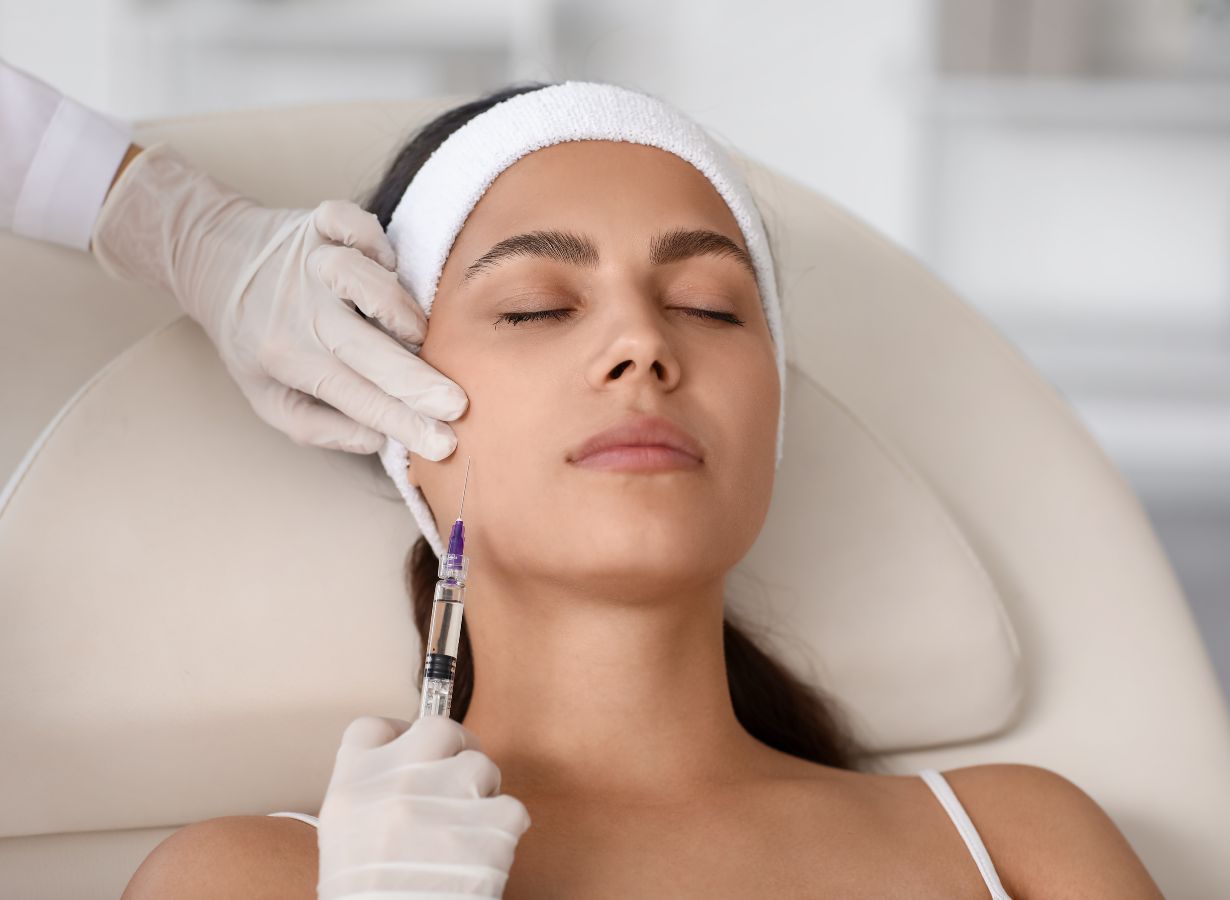
heek fillers can reshape the way your face looks without surgery because the cheeks are a central support point for the entire midface. When the cheek area is balanced and well supported, the face tends to look more lifted, more defined, and more proportionate. When cheek support is reduced, the face can look flatter through the midface, heavier in the lower third, or tired even when you feel rested.
What makes cheek filler different from many other injectable treatments is that it does not only “fill” a line or soften a wrinkle. It changes facial structure by restoring or enhancing the contours that create a natural, healthy-looking shape. Depending on where and how filler is placed, it can increase cheekbone definition, improve midface projection, smooth transitions under the eyes, and reduce the appearance of heaviness around the lower face.
Why The Cheeks Play Such A Major Role In Face Shape
Face shape is not determined by one feature. It is the combined effect of bone structure, soft tissue volume, skin elasticity, and how these elements interact with light and shadow. The cheek region is a key part of that equation because it sits at the center of the face and influences how everything below it appears.
When cheek support is strong, the midface looks smoother and more lifted. The under-eye area often looks less hollow, and the transition from the cheek to the mouth area appears softer. When cheek volume decreases, shadows can form below the eyes and alongside the nose, and the lower face can begin to look more prominent. This is why some people feel their face looks “pulled down” over time even if their jawline has not changed much. It is often a midface support issue, not just a lower face issue.
Cheek volume changes can be genetic, age-related, or related to weight changes. Some people naturally have flatter cheeks and want more definition. Others had fuller cheeks earlier in life and want to restore what they have lost. In both situations, the cheeks act like a structural foundation. When that foundation is improved, the face shape often looks more balanced as a whole.
What Cheek Fillers Can Change In Your Facial Structure
Cheek fillers influence face shape by changing proportions and contour. The most noticeable changes usually fall into a few categories. Understanding these helps you describe your goal clearly and helps you recognize what a natural result looks like.
Cheekbone Definition And Upper Face Structure
Cheekbone definition is often what people think of first. Enhancing the upper cheek can create a more sculpted look and can add shape to faces that feel flat or undefined in photos. When the upper cheek is supported, it can bring attention upward and create a more refined contour.
This does not require dramatic volume. Often, subtle placement in the upper cheek produces a strong visual effect because it changes how light hits the face.
Midface Projection And Profile Balance
Projection refers to the forward support of the midface. Some faces look flatter from the side and may appear less balanced between the midface and other features. Restoring projection can help the midface look healthier and more supported.
When projection is improved carefully, the face can look more harmonious from the side without looking overdone. This is especially important for patients who want a natural look that still reads well in real life and in photos.
Lift And Support For The Lower Midface
Cheek fillers can create a lifted look because the cheeks support tissue below them. When the midface has better support, the transition into the lower face can appear smoother. Some people notice that the area around the mouth looks less heavy or that facial lines appear less dominant. This does not mean the lines vanish. It means the overall balance changes so that those areas do not draw as much attention.
This is one reason skilled injectors often think in terms of structure rather than chasing a single line. Supporting the midface can improve the appearance of multiple areas at once.
Light Reflection And Reduced Shadowing
Aging and volume loss often show up as shadows. When the under-eye area looks darker or more hollow, it is sometimes due to the way light hits a lack of support. Cheek fillers can improve this by creating a smoother contour between the cheek and the lower eyelid area. When that transition is softened, the face tends to look brighter and more rested.
This effect is often one of the most satisfying benefits because it makes the face look healthier without adding an obviously “filled” appearance.
How Cheek Fillers Can Shift The Look Of Your Face Shape
People often use broad categories to describe face shape such as oval, round, square, heart, or diamond. Cheek fillers can influence how your face reads within those categories by changing how volume is distributed in the upper and midface. The result is less about forcing a new shape and more about improving proportion.
Making An Oval Face Look More Defined
An oval face is often naturally balanced, but definition can soften over time. Cheek filler can enhance contour and restore midface support, which often makes the face look more structured without changing its natural identity. This approach is usually ideal for people who want subtle refinement and a fresher appearance.
Refining A Round Face Without Creating Puffiness
Round faces often have soft volume and less angular definition. Many patients with round faces want contour and lift rather than added fullness. In these cases, cheek filler is planned very carefully. The goal is not to make the cheeks bigger. The goal is to improve structure in the upper cheek so the face looks more contoured and less heavy through the lower midface.
When placed strategically, cheek filler can create a more defined shape even in a naturally round face, especially when the focus is on structure rather than width.
Balancing A Square Face By Bringing Attention Upward
Square faces often have a stronger jawline and a broader lower third. Enhancing the cheek structure can help balance the face by creating proportion between the upper and lower areas. This can make the overall look feel more harmonious without reducing the natural strength of the jawline.
For many patients, this is a flattering approach because it improves balance while keeping the face’s character intact.
Enhancing A Heart Shaped Face With Support Rather Than Excess Width
Heart-shaped faces often have a narrower lower face and more prominence in the upper face. Cheek fillers can enhance the cheekbones and improve lift, but the most natural results usually focus on support and projection rather than creating extra width. This keeps the face from looking top-heavy and helps maintain a refined silhouette.
Creating A More Sculpted Cheek Focus
Some patients want a more sculpted cheekbone look. Cheek filler can emphasize the cheekbone line and improve definition, especially when the goal is a more contoured appearance. This approach requires careful technique because overly lateral or overly heavy placement can look unnatural in motion. The most successful sculpted results still respect facial harmony and avoid exaggerated volume.
Why Placement Matters More Than The Amount Of Filler
One of the most important truths about cheek filler is that placement creates the shape change, not simply the amount used. Two people can receive the same amount of filler and have completely different outcomes depending on where it is placed and how their anatomy responds.
Higher placement typically supports cheekbone definition and a lifted look. More central placement can improve projection and restore midface support. Placement that is too low or too heavy can create heaviness and an unnatural fullness that most patients want to avoid.
A skilled injector plans cheek filler with a structural mindset. The goal is to support the face so it looks balanced at rest and in motion. This is why a consultation and a careful plan matter more than any single product name.
What To Expect During A Cheek Filler Appointment
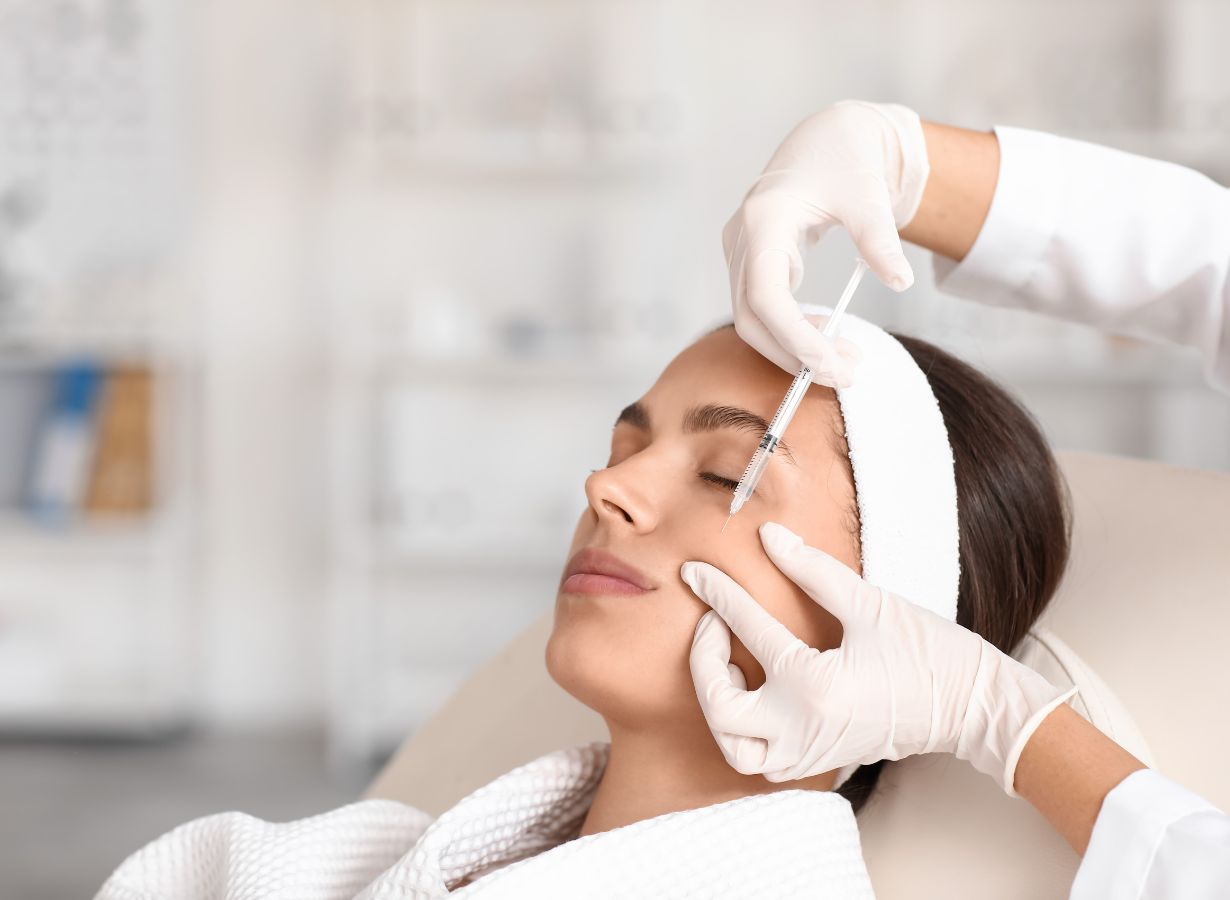
A professional cheek filler appointment usually begins with a detailed assessment. Your injector should ask about your goals, evaluate facial symmetry, and consider how your face looks when you smile and speak. This is important because cheek filler should not only look good in still photos. It should look natural in real life.
The treatment plan often involves marking key areas and discussing the approach, including whether the goal is more definition, more support, or a blend of both. The injection process itself is typically quick, but the planning and precision are what determine the quality of the result.
Many patients feel mild pressure and brief pinching sensations during treatment. The cheeks are often easier to tolerate than more delicate areas because the tissue is thicker. Comfort measures may be used depending on the technique and the individual’s sensitivity.
What To Expect Immediately After Cheek Filler
Right after cheek filler, you will usually see an immediate change, along with early signs of your body’s normal response. Because the cheeks are a larger area, mild swelling is common, and the cheeks can look slightly fuller than expected at first.
Normal Immediate Reactions
In the first hours after treatment, it is common to notice mild swelling, small red entry points, and light tenderness. Some patients feel a firm or tight sensation, especially when smiling or touching the area. Temporary unevenness can also occur because one side may swell more than the other at first.
Most patients can return to normal daily activities quickly. If you are comfortable with a small amount of visible swelling, there is rarely a need to hide at home.
Signs That Are Not Typical Right Away
Some symptoms should be taken seriously and require immediate contact with your injector. Severe or increasing pain, skin that becomes unusually pale or blotchy in a concerning pattern, rapidly expanding swelling, or any symptom that feels intense and unusual should never be ignored. These are not considered typical parts of healing.
The First Twenty Four Hours After Treatment
The first day is often when swelling is most noticeable. The cheeks may look fuller than your final result and may feel firmer than expected. This is normal and usually temporary.
During this time, many people feel tempted to judge the final outcome immediately. It helps to remember that early swelling can make cheeks look more prominent than they will look once settled. It is also common for swelling to be more noticeable in the morning or after lying down.
Many providers recommend avoiding intense exercise, excessive heat, and alcohol in the first day because these can increase swelling or bruising. Gentle daily activity is usually fine.
Recovery During The First Week
Most visible recovery happens in the first week. As swelling decreases, cheek contour becomes more refined and integrated.
Days Two And Three
During days two and three, swelling often begins to improve and the cheeks start to look more natural. Bruising may appear if it was not visible on day one, and it can range from mild to moderate depending on the person. Tenderness usually decreases, and the cheeks feel less firm.
It is also normal for one side to look slightly different during this stage because swelling and bruising can be uneven.
Days Four Through Seven
By the end of the first week, most patients see a strong preview of the final result. The cheeks typically look smoother, more balanced, and less puffy. Any bruising is often fading and becomes easier to cover if desired.
At this stage, many patients begin to appreciate the face shape change more clearly because the midface looks supported without the exaggeration of early swelling.
When You See Your Final Results
Cheek filler results develop over time. While you see an immediate change, the most accurate picture of your outcome appears after swelling has fully resolved and the filler has settled into the tissue.
In many cases, you will see a reliable result by the end of the first week, with continued refinement over the next one to three weeks. This gradual settling is one reason it is best not to judge your result too early. The face often looks more natural as the filler integrates and the tissues calm.
Follow-up visits are commonly scheduled to assess symmetry and discuss whether small refinements are needed. A careful approach that prioritizes natural shape and proportion often produces the most satisfying long-term result.
How Cheek Filler Can Affect Under Eye Hollows And Smile Lines
Cheek filler can influence nearby areas because the midface supports the transitions above and below it. When the cheek area is better supported, under-eye hollows can look softer because the area beneath the eye has more structural support. Smile lines can also appear less prominent because the midface is not collapsing forward and downward as much.
This does not mean cheek filler replaces treatment in other areas. It means that improving cheek support can reduce how strongly certain lines and shadows read, which often makes the whole face look more rested and balanced.
How To Support A Smooth Recovery And Natural Looking Results
A smooth recovery is usually supported by simple habits. Staying hydrated, limiting excess salt, and avoiding unnecessary pressure on the cheeks can help manage swelling. It is also wise to avoid rubbing or massaging the area unless your injector specifically instructs you to do so.
Planning your appointment with a little buffer before major events can also reduce stress. Even though many people look fine within a few days, swelling and bruising are unpredictable, and giving yourself time allows the result to settle comfortably.
If you ever feel uncertain about how your cheeks look during healing, contacting your provider is appropriate. A professional injector expects questions and wants you to feel informed throughout recovery.
Conclusion
Cheek filler can change your face shape by restoring midface support, improving cheekbone definition, and smoothing the contours that influence how the entire face is perceived. Most patients see an immediate shift along with a short period of swelling and possible bruising, followed by steady refinement as the filler integrates and the tissues calm. When given time to settle, the cheeks often look more defined and balanced, which can make the face appear more lifted, more proportionate, and more refreshed.
By understanding what cheek fillers can realistically do, allowing your results to settle over the first weeks, and following your injector’s instructions for aftercare, you can move through the process with more confidence and less second-guessing. Cheek filler in skilled hands is not only about adding volume. It is about carefully restoring support and contour in a way that helps your face reflect the healthy, vibrant look you want to see when you look in the mirror.

The Final Verdict
When seeking the best, why settle for anything less?
Contact Happy Hands Aesthetics, the best cosmetic injection clinic in LA, for dermal fillers, and schedule an appointment.

