
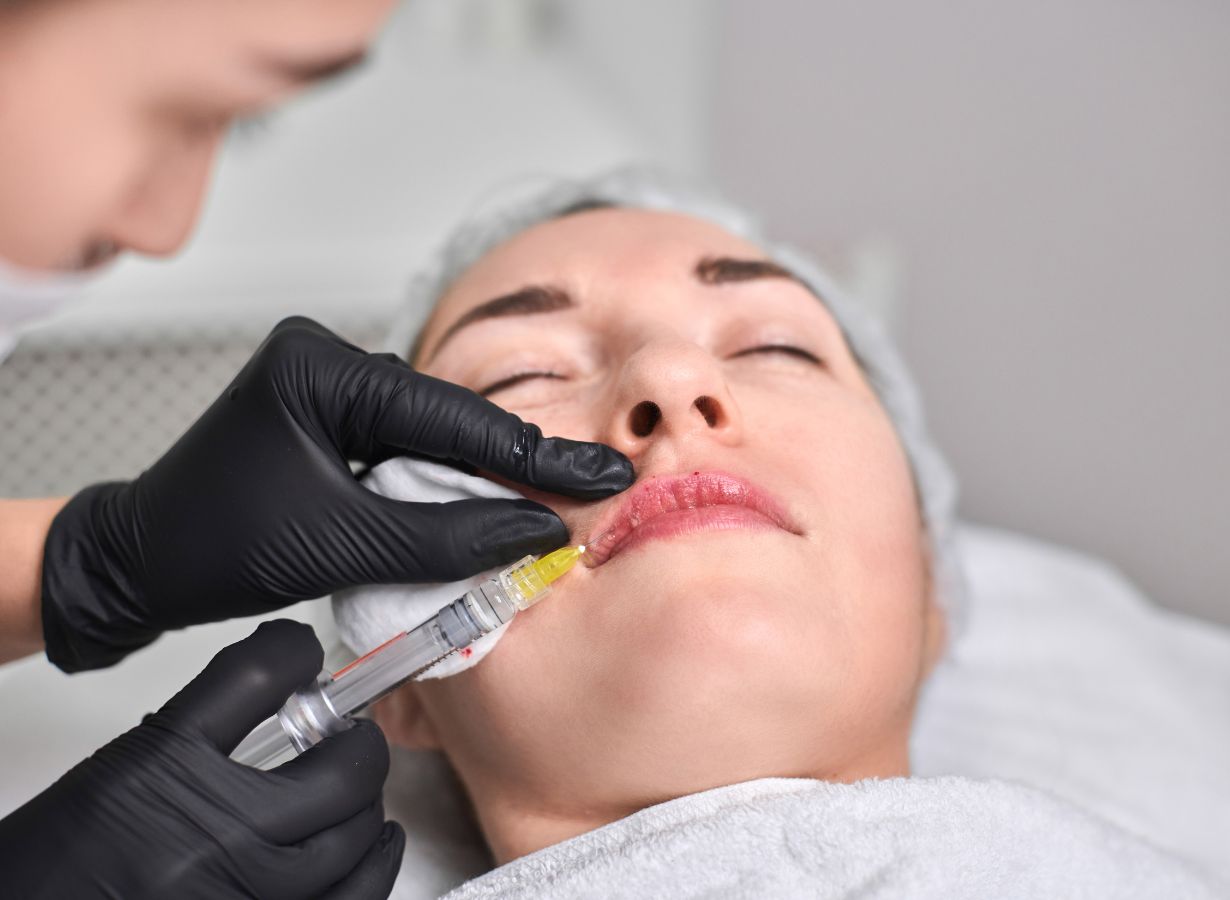
welling after dermal fillers is normal, expected, and usually temporary. Even when injections are performed with excellent technique, the skin and soft tissue still respond to the needle or cannula with a short inflammatory phase. That inflammation pulls fluid into the area, creates puffiness, and can make the result look larger or less defined than it will look once everything settles.
For most people, swelling is mild to moderate, peaks early, and improves steadily over the first several days. The lips and under eye area often swell more than other regions, and they can take longer to look fully “finished.” The best way to stay calm during recovery is to know what a normal timeline looks like, what makes swelling worse, and what signs deserve a prompt check-in with your provider.
Why Swelling Happens After Fillers
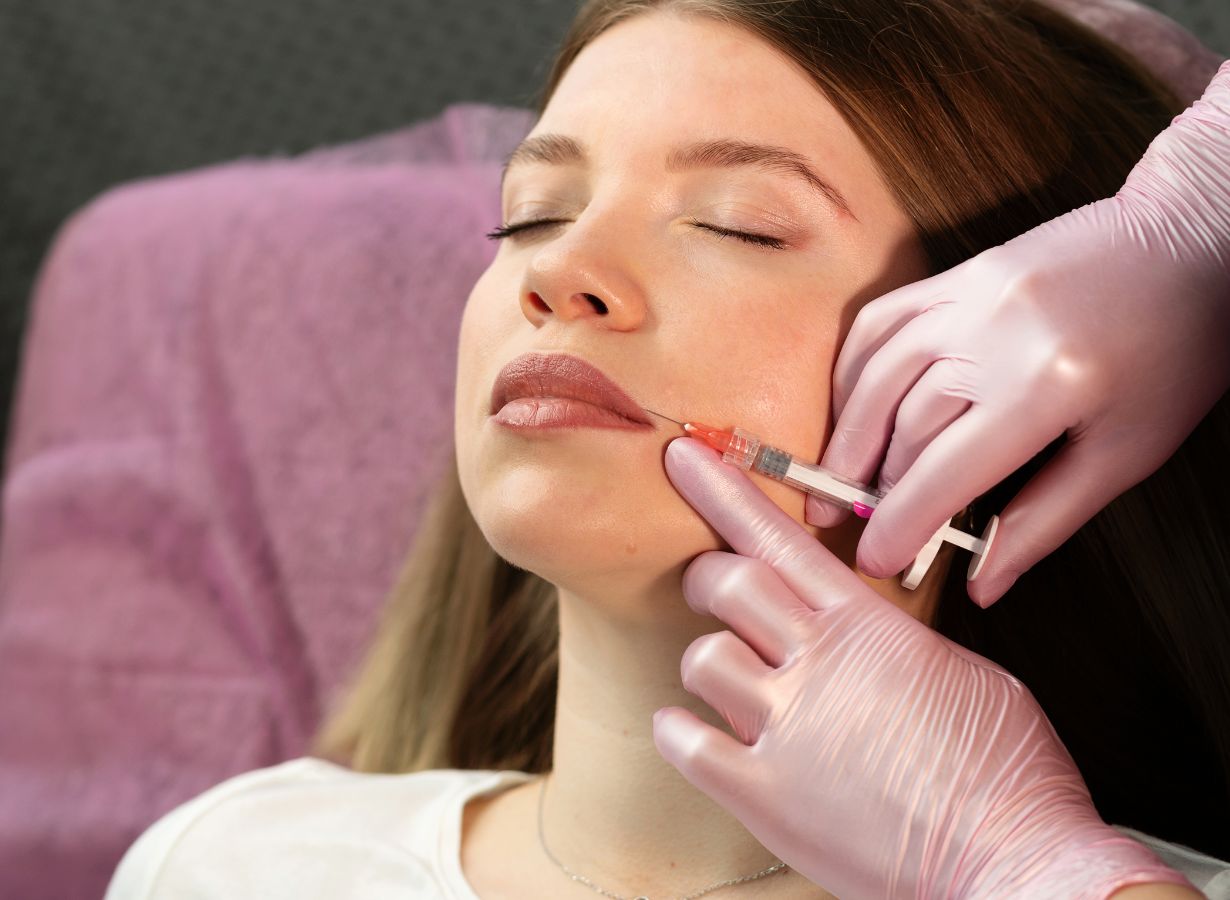
Swelling is your body’s natural response to a procedure. When a needle or cannula passes through tissue, it creates microscopic disruption. Your immune system responds by increasing local blood flow and sending inflammatory mediators to begin repair. Fluid shifts into the treated zone, and that fluid is what you see as swelling.
Some fillers, especially hyaluronic acid based products, can also bind water. That does not mean something is wrong. It simply means early puffiness can look more dramatic before the filler integrates into the tissue and the surrounding inflammation resolves.
Swelling can also be affected by how sensitive your skin is, how easily you retain fluid, your sleep position, alcohol intake, exercise, heat exposure, and whether you bruise easily. The same exact product can look very different on day two than it looks on day fourteen, even on the same person.
What Normal Healing Looks Like So You Do Not Overcorrect
Knowing what is normal prevents the most common mistake people make after fillers, which is overreacting early and trying to “fix” something that is still healing. Many outcomes that feel concerning in the first few days resolve on their own with time. Your goal is to let the tissue calm down and let the filler settle naturally.
Day One Immediate Puffiness Tenderness And Redness
Right after treatment, you may see mild swelling, slight redness, and small raised areas where the product was placed. The skin can feel tender, tight, or warm. Some people feel a mild pressure sensation. The result may look a bit fuller than expected, especially in the lips.
It is also common to see tiny pinpoints or minor bumps at injection sites. These are usually from the entry points and local swelling, not from the filler “sitting wrong.”
Days Two To Three Peak Swelling And A Slightly Uneven Look
For many patients, swelling peaks around 24 to 72 hours after injections. This is the window where people often think something went wrong, particularly with lip filler. Lips can look noticeably larger and less defined, and the shape can appear slightly uneven. That unevenness often comes from fluid distribution and sleeping position, not from a permanent issue.
If bruising occurs, it usually becomes more visible during this period. Bruising does not necessarily mean you will swell more, but it can make the treated area look darker or more dramatic.
Days Four To Seven Visible Improvement And Better Definition
By day four, many people see a clear improvement. Puffiness starts dropping, tenderness fades, and the shape begins to look more like what you expected. Most patients feel comfortable being in public by the end of the first week, although minor swelling can still be present, especially in the morning.
Days Seven To Fourteen Settling And Final Integration
Two weeks is a common benchmark for “final settling.” This does not mean the filler changes dramatically for two full weeks, but it does mean that subtle swelling, small firmness, and mild asymmetry often continue to improve throughout that time. Many injectors prefer to evaluate results and consider touch-ups at the two week mark because it gives the tissue time to stabilize.
How Long Swelling Lasts By Treatment Area
Where you were treated is one of the biggest predictors of swelling. Different areas have different blood supply, lymphatic drainage, and tissue thickness. That changes how swelling shows up and how quickly it fades.
Lip Filler Swelling Timeline
Lips almost always swell more than other areas. They have a rich blood supply, they move constantly when you talk and eat, and the tissue is naturally soft. Many patients see peak swelling within the first 24 to 48 hours, followed by gradual improvement over the first week. It can take up to two weeks for the lips to look fully settled and natural, especially if you received a full syringe, had multiple injection points, or tend to swell easily.
It is normal for lips to feel firm in certain spots early on. That firmness usually softens as swelling resolves and the filler integrates.
Under Eye Filler Swelling Timeline
The under eye area can look puffy even with small amounts of swelling because the skin is thin and shadows amplify changes. Mild swelling may improve in a few days, but subtle puffiness can linger longer than people expect. If you are prone to morning puffiness or allergies, the under eye area can appear more swollen early on and then look better as the day goes on.
This region should be handled conservatively and evaluated carefully by an experienced injector. If the under eye area looks significantly worse over time instead of improving, that is a reason to check in.
Cheek Filler Swelling Timeline
Cheek swelling is often moderate. Cheeks are a structural area, so early swelling can make them look a bit higher or more prominent than the final result. Most cheek swelling improves substantially within three to seven days, with continued refinement over one to two weeks.
Jawline And Chin Filler Swelling Timeline
Jawline and chin filler can create a “tight” or slightly sore sensation because the product is often placed deeper for structure. Visible swelling is often mild to moderate and typically improves within the first week. If more volume is used, it can take closer to two weeks to see the final contour clearly.
Smile Lines And Marionette Lines Swelling Timeline
These areas often have less dramatic swelling than the lips. Mild puffiness usually improves over a few days. Because the skin here moves when you speak and smile, minor tenderness can persist for several days, even after swelling is mostly gone.
What Makes Swelling Last Longer
If you want to reduce downtime and avoid unnecessary puffiness, it helps to understand the most common factors that prolong swelling. Some are controllable, and some are simply how your body responds.
Filler Type And Hydration Effects
Hyaluronic acid fillers can bind water. That property is one reason they create a smooth, hydrated look, but it can also contribute to early swelling. This is often temporary and improves as the filler integrates.
Injection Technique And Number Of Entry Points
More entry points can mean more local inflammation. A skilled injector aims to place product efficiently and precisely. Technique also affects bruising, and bruising can make swelling appear more noticeable.
Amount Of Filler Used
More volume can create more tissue stretch and more inflammatory response. A subtle enhancement generally settles faster than a larger correction or full facial balancing plan completed in a single session.
Your Body’s Inflammatory Response
Some people swell more from almost everything, including dental work, minor injuries, and skin procedures. If that is you, plan your filler appointments with more buffer time and avoid scheduling right before major events.
Heat Exercise Alcohol And Late Nights
Heat and heavy sweating increase blood flow and can worsen swelling. Intense workouts, hot yoga, saunas, and steam rooms can keep tissues flushed and puffy. Alcohol can increase flushing and contribute to dehydration, which sometimes makes swelling and irritation feel worse. Poor sleep can also increase facial fluid retention.
Sleep Position And Fluid Shifts
Sleeping on your face or on one side can increase swelling and temporary asymmetry. If you wake up and think one side looks bigger, consider whether you slept on that side. This often improves throughout the day.
Travel And Salt Intake
Some people retain more fluid when they travel, especially on flights, or when they eat salty meals. That extra fluid can temporarily exaggerate swelling. It does not usually indicate a problem with the filler.
What You Can Do To Reduce Swelling Faster
You cannot remove swelling completely, and you should not try to “force” recovery. But you can make it easier on your body by minimizing inflammation and supporting normal healing.
Use Cold Compresses Gently In The First Day
A cool compress can help calm swelling during the first 24 hours. Apply gently for short intervals. Avoid pressing hard or aggressively rubbing the area, especially in the lips. Light contact is usually enough to be soothing without disrupting placement.
Keep Your Head Elevated The First Night Or Two
Head elevation helps reduce fluid pooling in the face. Sleeping with an extra pillow or slightly propped can make a noticeable difference, particularly after lip or under eye filler.
Avoid Heavy Exercise For 24 To 48 Hours
Give your body a short recovery window. Light walking is typically fine, but intense cardio and heavy lifting can increase swelling and bruising in some people. If you are training for something and cannot fully rest, keep it gentle for the first day or two.
Avoid Heat Exposure Early On
Skip saunas, steam rooms, hot tubs, and very hot showers for at least 24 to 48 hours. Keep showers lukewarm and short. Heat can prolong flushing and swelling, especially in the lips and cheeks.
Minimize Alcohol For A Day Or Two
If you can, avoid alcohol during the early healing window. It can increase flushing and sometimes makes swelling and bruising look more noticeable. Hydration and sleep are more helpful than celebratory drinks right after treatment.
Do Not Massage Unless Your Provider Instructs You To
Some areas and techniques require specific aftercare. In many cases, you should avoid massaging or manipulating the treated area early on. If you feel a small bump or firmness, it is often swelling. If your injector wants you to massage, they will tell you exactly when and how.
Common Mistakes That Make Swelling Look Worse
Most “prolonged swelling” problems are not caused by the filler itself. They are caused by behavior during the first few days. The main goal is to reduce friction, heat, and inflammation.
Judging Results Too Early
Day two is not the final result. Lips especially can look overdone early on. If you evaluate too soon, you may convince yourself you need a reversal or correction that you do not actually need once swelling resolves.
Overusing Ice Or Pressing Too Hard
Cold can help, but aggressive pressure is not helpful. The area should be treated gently. Think of calming the tissue, not pushing it into shape.
Working Out Hard Or Using Heat Therapies
Many people feel fine and go back to their normal routine too quickly. Heat and intense exercise can extend swelling. If you want the most predictable timeline, keep things calm for the first 24 to 48 hours.
Touching And Checking Constantly
Repeated touching introduces bacteria, adds friction, and can irritate the skin. It can also create anxiety because you are checking a result that is still changing. A better approach is to take one photo per day in the same lighting and compare trends.
When Swelling Is Not Normal And You Should Contact Your Provider
Most swelling is normal. The key is whether it is improving and whether it comes with other symptoms. If something feels increasingly painful, looks worse rather than better, or includes skin color changes, do not wait it out on your own.
Call Promptly If Swelling Is Getting Worse After Day Three
It is normal to peak early and then improve. If swelling continues to increase after the typical peak window, contact your provider. The same applies if one area becomes more tender, warmer, or more red over time.
Call If You Notice Spreading Redness Fever Or Pus
Infection is uncommon, but it should be taken seriously. Spreading redness, fever, drainage, or increasing warmth should be assessed promptly.
Urgent Warning Signs Include Severe Pain And Skin Color Change
Severe, disproportionate pain is not typical. A sudden pale or dusky discoloration, mottled patterning, or a cool feeling in the skin can be warning signs that require urgent evaluation. This is rare, but it is time-sensitive and should be treated as an emergency.
When Will You See Your Final Results
You will see an immediate change after fillers, but early swelling can distort the true look. Most people look presentable within a week, and many see their final result around the two week mark. This is why professional follow-ups and potential refinements are often scheduled about two weeks after treatment.
It is also normal for the result to look slightly different at different times of day during the first week. Morning puffiness can make the face look fuller, and then it improves as the day goes on. This pattern should diminish over time.
Planning Your Appointment Around Events
If you have a major event, the safest planning window is to schedule filler at least two weeks in advance, especially for lips or under eyes. Many people look great much sooner, but two weeks gives you a buffer for unpredictable swelling or bruising. If you have a very important event such as a wedding, photoshoot, or stage appearance, consider booking even earlier so there is no time pressure.
Frequently Asked Questions About Filler Swelling
Is It Normal For Swelling To Be Uneven
Yes. Early swelling can be uneven because of sleep position, natural facial asymmetry, and localized inflammation. As long as the trend is improving, mild unevenness early on is common.
Why Do My Lips Look Too Big After Filler
Lips swell more than most areas. The first 24 to 72 hours can make them look larger than the final outcome. Definition typically improves throughout the first week, with final settling often closer to two weeks.
Can Swelling Come Back After It Goes Down
Mild fluctuations can happen. Heat, exercise, alcohol, salty meals, allergies, and poor sleep can temporarily increase facial puffiness. If you notice a sudden spike with pain or skin color changes, contact your provider.
Should I Take Anti-Inflammatory Medication
Follow your injector’s guidance. Some medications can increase bruising risk, and you should never stop prescribed medications without medical advice. If you are considering anything for swelling, it is safest to ask your provider what they recommend for your specific case.
Conclusion
Swelling after dermal fillers is normal and usually temporary. For most people, swelling peaks within 24 to 72 hours, improves significantly within three to seven days, and continues settling for up to two weeks, especially in the lips and under eye area. Your best results come from keeping the first couple of days calm, avoiding heat and heavy exercise, using gentle cooling if needed, sleeping with your head elevated, and resisting the urge to judge the result too early.
If swelling is worsening after the first few days, comes with increasing pain, or includes unusual skin color changes, contact your provider promptly. Otherwise, treat the first week as a short healing window where simple aftercare and patience usually produce the smoothest, most natural final result.
The Final Verdict
When seeking the best, why settle for anything less?
Contact Happy Hands Aesthetics, the best cosmetic injection clinic in LA, for dermal fillers, and schedule an appointment.
