
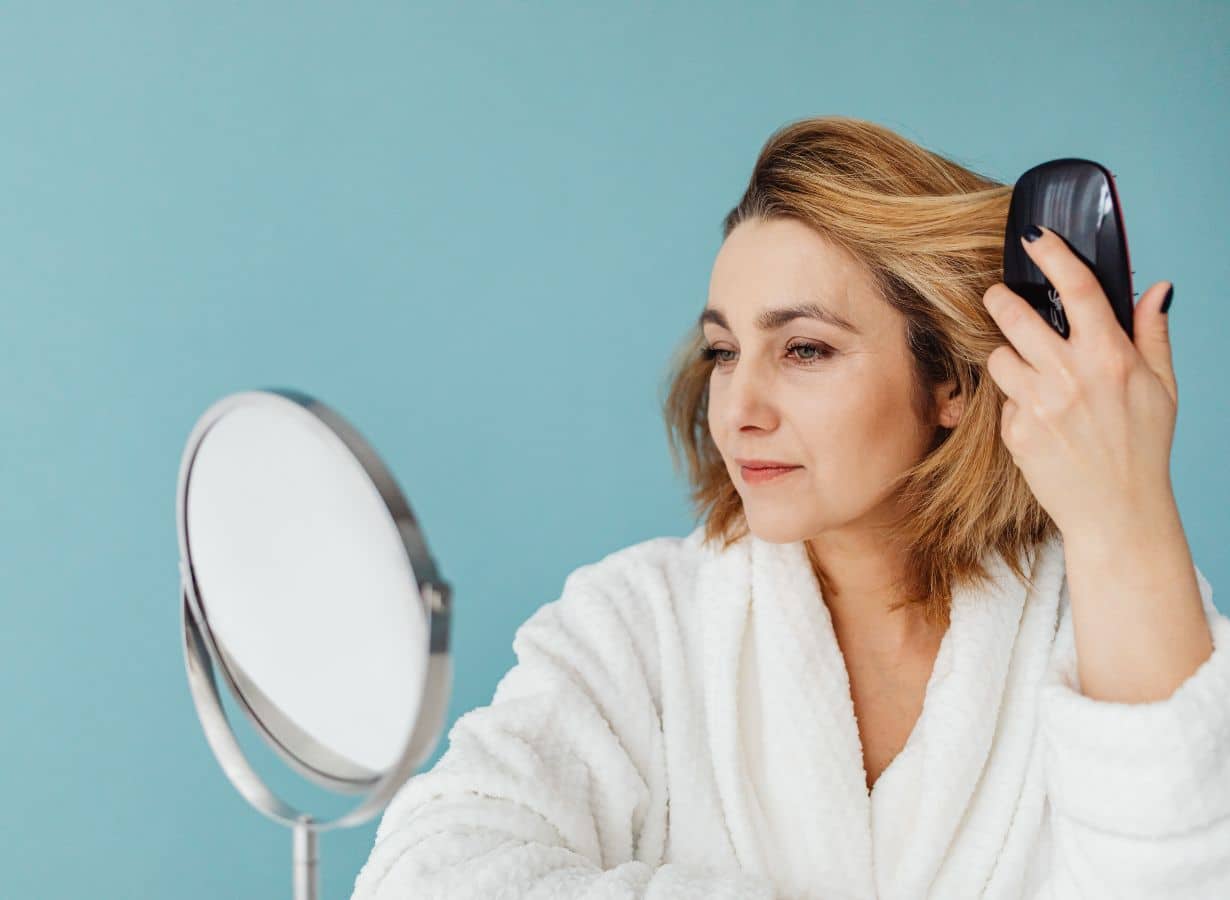
air loss usually does not feel dramatic at first. Many patients notice it in smaller ways before it becomes obvious in photos or the mirror. The part may look wider, the ponytail may feel thinner, more hair may collect in the brush or shower, or the scalp may start showing through in areas that once looked fuller. For others, the bigger concern is not sudden shedding but the feeling that their hair has become weaker, finer, or less able to hold the same density it had before. Because thinning can happen gradually, many people start researching treatment only after the change has already begun affecting confidence.
PRP hair restoration appeals to many patients because it sounds more natural and less invasive than other options, but that does not mean the process is casual or instant. It is usually a structured treatment approach that involves preparation before the appointment, injections during the session, and a period afterward where the scalp settles while the longer-term hair response is watched over time. A patient who understands that rhythm usually has a much better treatment experience than someone expecting immediate cosmetic transformation after one visit.
Why PRP Hair Restoration Usually Requires Patience
One of the most important things to understand about PRP hair restoration is that it is usually approached as a series rather than a one-time event. At Best Fillers LA, PRP hair restoration is presented as a treatment plan that generally includes multiple sessions spaced several weeks apart, followed by maintenance sessions to help support longer-term results.
That matters because expectations shape satisfaction. If someone goes in thinking the scalp should look dramatically fuller within days, the treatment may feel underwhelming too early. If someone understands that PRP is usually a gradual treatment with repeated sessions and longer-term follow-up, the experience tends to feel much more realistic from the start.
What PRP Hair Restoration Is Meant To Support
PRP hair restoration is generally intended to support healthier growth in areas affected by thinning while also strengthening existing hair. In practical terms, that means the goal is often to support the hair that is still present while encouraging better activity in areas where density has decreased. The treatment is usually more about improving the quality and fullness of what can still respond than creating a sudden and dramatic change in every patient.
This is useful because patients come in with very different concerns. Some want to intervene early because they are noticing the beginning of thinning. Others already feel self-conscious because the scalp is becoming more visible. Others are less focused on actual loss and more focused on hair that feels weaker or thinner than it used to. PRP may fit those goals differently depending on how advanced the thinning is and what the patient is hoping to improve.
What To Expect Before The Appointment Starts
Many patients assume the treatment begins the moment they sit down, but preparation is part of the experience. Patients are often told to avoid certain medications or supplements before treatment, and the scalp may be prepared before the injections begin. The appointment is usually more structured than people expect when they first hear about PRP.
For many patients, comfort planning is also part of the visit. A topical numbing cream may be used beforehand, which means the appointment often includes preparation time before the treatment itself starts.
Pre-Treatment Instructions Matter
Patients should not think of before-care as optional. If a provider gives instructions about medications, supplements, or scalp preparation, those steps are part of helping the treatment go more smoothly. Following them closely can make the experience easier and may reduce unnecessary issues on treatment day.
Numbing May Be Part Of The Process
Because the scalp is a sensitive area, many patients are understandably concerned about what the treatment will feel like. Numbing may be used before injections, which means patients should expect some effort to improve comfort before the active part of the session begins.
What Happens During A PRP Hair Restoration Session
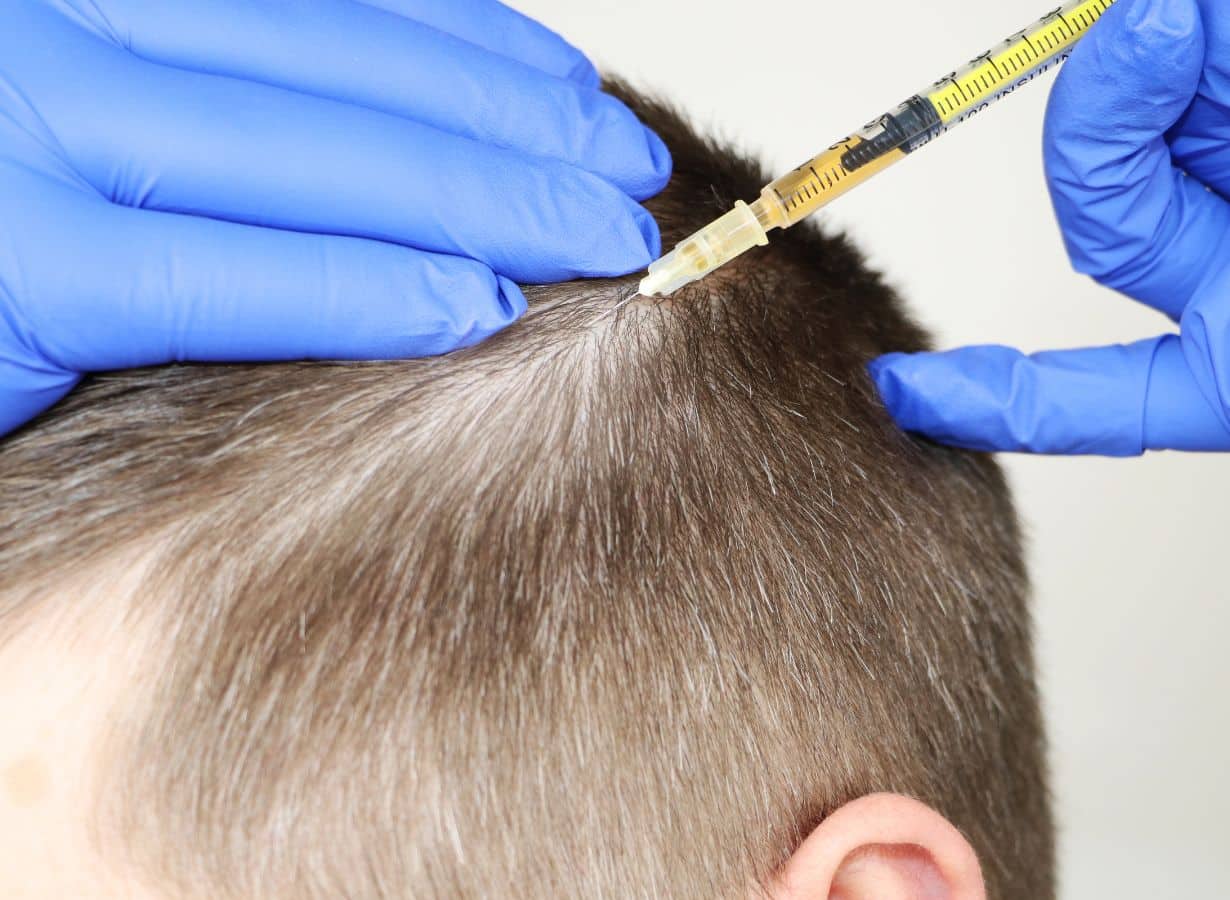
During treatment, the scalp is usually marked in the areas selected for injection, and the PRP is then administered into those targeted zones. That means the treatment is usually focused and mapped rather than generalized across the scalp without a plan. Patients should expect the provider to identify the areas of concern and treat those areas deliberately.
For most people, this means the appointment feels more medical than spa-like. The session is generally targeted, purposeful, and centered around the scalp areas where thinning or density changes are being addressed. It is not usually a passive beauty service where nothing noticeable happens. It is a treatment session with a specific goal.
The Treatment Is Usually Focused On The Areas That Need Support Most
Hair thinning is rarely perfectly uniform across the scalp, so treatment usually focuses on the areas where support is most needed. That can help patients understand why the approach may feel specific rather than broad.
The Session May Feel Active Rather Than Relaxing
Even with numbing, patients should generally expect the scalp to be an area where treatment feels noticeable. That does not mean the session is unmanageable. It means patients usually do better when they come in expecting a real procedure rather than assuming the experience will feel effortless from beginning to end.
What Patients Often Notice Immediately After Treatment
Right after PRP hair restoration, many patients want to know whether they should already see results. Usually, that is too soon. The more realistic short-term expectation is that the scalp may simply feel treated. Some people notice mild sensitivity, awareness, or temporary tenderness in the injected areas. Others mainly notice that the appointment itself is over and the real work of waiting begins.
This is an important mindset shift. The first several hours are usually more about settling than about visible hair change. What happens immediately after treatment is usually not the same as what happens in the weeks and months that follow.
What The Early Recovery Period Usually Looks Like
Aftercare instructions are usually specific, even if they are not overly difficult to follow. Patients are often advised to avoid heat, ice, alcohol, and certain activities for a short period after treatment. They may also be told to wait before showering or washing the treated area.
That means the aftercare period is usually simple but intentional. Patients should not expect major downtime in the way surgery might involve downtime, but they should expect a short period where the treated scalp is given time to settle without unnecessary irritation.
The Scalp Should Usually Be Left Alone At First
In the first recovery window, patients are usually better off avoiding unnecessary manipulation of the scalp. The treatment area is often best allowed to settle naturally rather than being treated aggressively at home.
Hair Washing Usually Has To Wait Briefly
Patients are often told to wait a short period before showering or washing the scalp. That is usually easy to manage when the appointment is planned with those instructions in mind.
Short-Term Restrictions Are Part Of The Process
Aftercare is not usually extreme, but it does require attention. A short period of avoiding certain activities or exposures is often part of giving the treatment the best chance to settle well.
Why The Recovery Window And The Results Timeline Are Different
One of the easiest ways to misunderstand PRP hair restoration is to confuse recovery with outcome. The early aftercare period may last hours or days. Visible changes in hair density or quality are usually judged over a much longer period. Because PRP is intended to support existing follicles and strengthen hair over time, the response is typically gradual rather than immediate.
That means a patient should not judge the whole treatment by what the scalp looks like the next morning. The better question is how the hair responds over the course of the full treatment series. People who understand that usually stay more patient and evaluate the treatment more fairly.
Why Consistency Usually Matters More Than One Appointment
PRP hair restoration is often planned as a series because consistency is a major part of the treatment philosophy. That structure suggests the treatment is intended to build on repeated sessions rather than depend on a one-time boost. Maintenance treatments may also be recommended afterward.
From a patient standpoint, this means PRP hair restoration is often best viewed as a commitment. A person who wants to know what to expect should expect more than one appointment, more than one checkpoint, and more than one opportunity to evaluate whether the scalp and hair are responding the way they hoped.
What Makes The Best Candidates More Comfortable With The Process
Patients who tend to feel best about PRP hair restoration are often the ones who understand that treatment is supportive and progressive rather than instant and dramatic. They usually come in wanting meaningful improvement, but they do not expect the entire answer in a single visit. They are also more likely to follow pre-treatment instructions, complete the recommended sessions, and judge progress on a realistic timeline.
That kind of mindset matters because hair-restoration disappointment often begins with unrealistic timing expectations. When the expectations are better matched to the treatment design, the entire process tends to feel more understandable and less stressful.
How To Think About Results In A More Practical Way
The most useful way to think about PRP hair restoration is to focus on support and progression rather than instant visual drama. For some patients, success may mean improved density. For others, it may mean stronger existing hair, less visible thinning, or a better chance of maintaining what they still have. Those are practical goals, and they are often more meaningful than chasing unrealistic promises.
In that sense, the best expectation is not “How different will my hair look tomorrow?” It is “What kind of improvement may become possible if I follow the plan and give the process time to work?” That is usually the healthier way to approach PRP from the beginning.
PRP Hair Restoration At Happy Hands Aesthetics
If you are considering PRP Hair Restoration and want a treatment plan that is designed to support thinning hair over time, Happy Hands Aesthetics offers PRP as part of its broader aesthetic treatment menu. The clinic’s PRP hair restoration process includes before-treatment guidance, scalp mapping and injections during treatment, aftercare instructions, and a multi-session schedule that helps patients understand what the process involves from beginning to end.


The Final Verdict
When seeking the best, why settle for anything less?
Contact Happy Hands Aesthetics, the best cosmetic injection clinic in LA, for dermal fillers, and schedule an appointment.
PRP Hair Restoration FAQs
1. How Long Does It Take To See Results From PRP Hair Restoration
PRP hair restoration usually does not produce immediate cosmetic changes. Many patients begin looking for early improvement over the following weeks and months rather than in the first few days after treatment. Because hair growth happens gradually, PRP for hair loss is generally best evaluated over the course of the full treatment plan instead of after one session.
2. How Many PRP Hair Restoration Sessions Do Most Patients Need
Most patients need a series of PRP hair restoration treatments rather than one appointment. A multi-session plan is often recommended because the goal is to support the scalp and hair over time, not just create a one-day effect. Maintenance sessions may also be suggested afterward to help support longer-term hair restoration results.
3. Does PRP Hair Restoration Work For Both Men And Women
PRP hair restoration can be used for both men and women who are experiencing hair thinning or early hair loss. The best candidates are usually people who still have active follicles that may respond to treatment. A consultation helps determine whether PRP hair treatment is a reasonable option based on the pattern of thinning and the patient’s overall goals.
4. Is PRP Hair Restoration Painful
PRP hair restoration is generally more active than a relaxing spa treatment, but many patients tolerate it well. Because the scalp is a sensitive area, numbing may be used before treatment to improve comfort. Most patients should expect some sensation during the injections, but not necessarily severe discomfort.
5. What Should You Avoid After PRP Hair Restoration
After PRP hair restoration, patients are often told to avoid certain activities and exposures for a short period. This may include avoiding heat, ice, alcohol, and washing the scalp too soon after treatment. Following aftercare instructions carefully can help support a smoother recovery and a better overall treatment experience.
6. Who Is A Good Candidate For PRP Hair Restoration
A good candidate for PRP hair restoration is often someone who is noticing hair thinning, decreased density, or weaker-looking hair and wants a non-surgical treatment option. Patients usually do best when they still have hair that can be supported rather than expecting PRP to completely replace advanced hair loss overnight. A consultation can help determine whether PRP hair restoration fits the condition of the scalp and the patient’s expectations.
7. Can PRP Hair Restoration Help With Early Hair Thinning
PRP hair restoration is often especially appealing to patients with early hair thinning because they want to support their existing hair before the loss becomes more advanced. In these cases, the goal is often to help improve hair quality, support density, and strengthen the hair that is still present. Early treatment is often easier to evaluate realistically than waiting until thinning becomes much more severe.
8. How Long Do PRP Hair Restoration Results Usually Last
PRP hair restoration results are usually supported through a treatment series and then maintained over time with follow-up sessions when needed. The timeline can vary from one patient to another because hair loss patterns and treatment response are not identical in every case. In general, patients should think of PRP hair treatment as something that may require maintenance rather than something permanent after one round.
9. Is There Any Downtime After PRP Hair Restoration
PRP hair restoration usually does not involve the kind of downtime associated with surgery, but there is still a short recovery period. The scalp may feel temporarily sensitive or recently treated, and patients are usually given aftercare instructions for the first hours and days afterward. Most people are able to return to normal activities relatively quickly, but the scalp should still be treated carefully right after the session.
10. Can PRP Hair Restoration Be Combined With Other Hair Loss Treatments
PRP hair restoration can often be part of a broader hair loss treatment strategy rather than the only option considered. Some patients may benefit from combining PRP with other supportive treatments depending on their pattern of thinning, scalp condition, and long-term goals. The best approach is usually the one that is tailored to the patient rather than assuming one treatment must do everything on its own.

